NASA Opens Astronaut Applications as It Prepares for Future Moon Missions
The recruitment call is open only to U.S. citizens, with successful candidates expected to undergo nearly two years of training before becoming eligible for flight assignments.
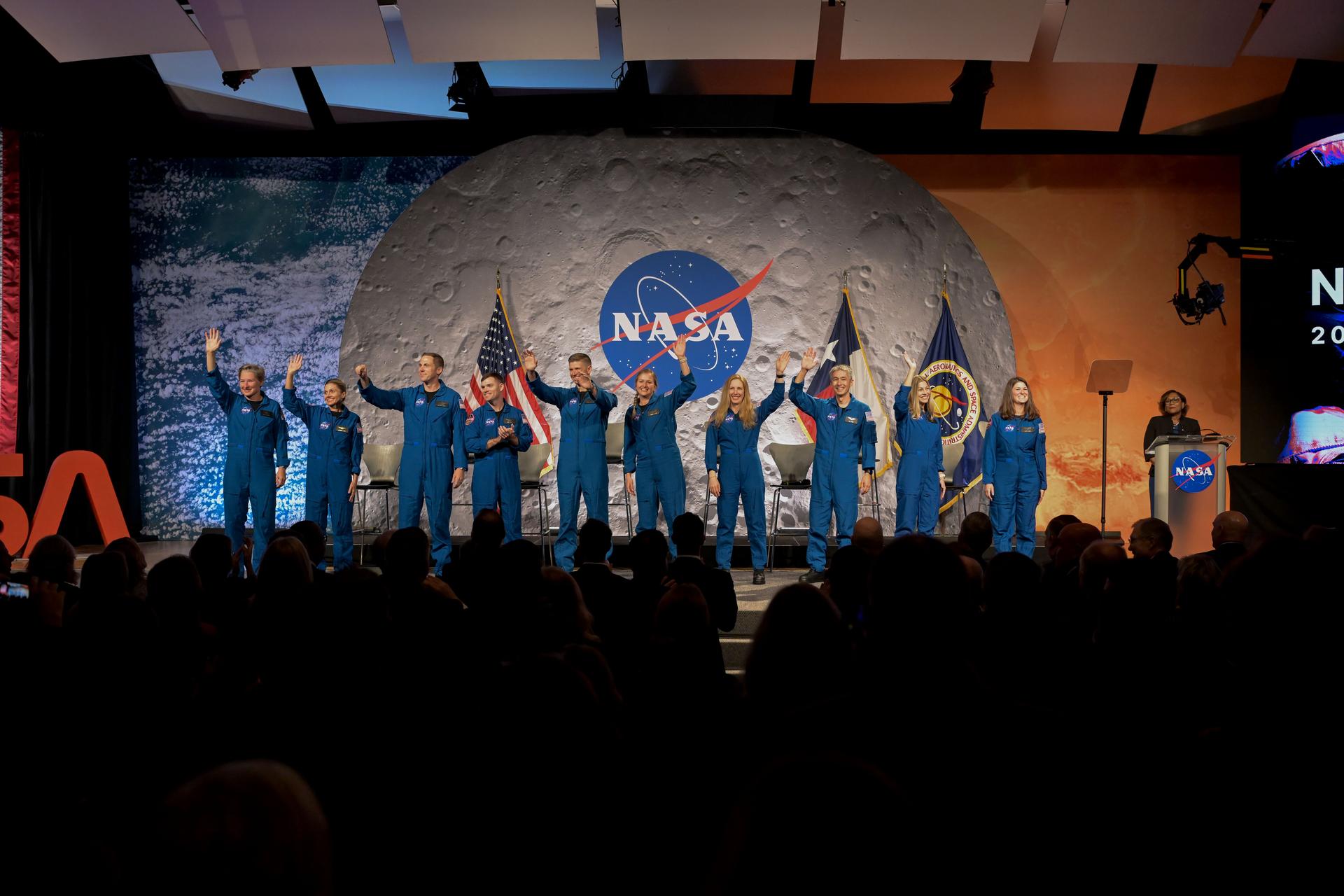
Image: NASA (NASA/Helen Arase Vargas). Pictured: NASA's 2025 astronaut candidate class at Johnson Space Center in Houston.
NASA has opened applications for its next astronaut class, seeking candidates who could support future lunar exploration and help prepare humanity for missions to Mars.
Announced on November 7, 2026, the recruitment campaign is the agency’s first astronaut application call since 2024. It comes as NASA works towards a sustained human presence on the Moon through its Artemis programme.
According to NASA’s recruitment announcement, applications must be submitted by 5:59 a.m. West Africa Time (WAT) on December 4, 2026 / 8:59 p.m. Pacific Time (PT) on December 3, 2026. Applications are handled through USAJOBS, the U.S. government’s recruitment portal.
Who is eligible?
The opportunity is open only to U.S. citizens. Applicants generally need a master’s degree from an accredited institution in a science, technology, engineering or mathematics field. These include engineering, biological science, physical science, computer science and mathematics.
Candidates must also have at least three years of relevant professional experience after completing their qualifying degree and be able to pass NASA’s long-duration astronaut flight physical. Leadership, teamwork and communication skills are important selection criteria.
There are alternative routes to meeting the education requirement. These include qualifying doctoral study, certain medical qualifications and recognised test pilot school programmes. Pilots may qualify through specified flight-hour requirements instead of the standard professional-experience route.
Because these alternatives have detailed conditions, prospective applicants should consult NASA’s official astronaut eligibility requirements before preparing an application.
For readers outside the United States, the citizenship restriction is an important distinction: the call is not an international recruitment programme. Applicants must hold U.S. citizenship regardless of where they currently live.
Preparing for exploration beyond Earth
NASA says the new recruits could contribute to lunar surface missions, work associated with a future Moon Base and preparations for the first crewed journeys to Mars.
Those ambitions will require more than spacecraft and launch vehicles. Astronauts must be trained to operate complex systems, conduct scientific investigations, respond to emergencies and work effectively in demanding environments far from Earth.
However, selection does not guarantee a Moon landing or an assignment to any particular mission. Candidates must first complete their training, and future flight assignments will depend on NASA’s operational needs, mission schedules and individual qualifications.
The agency currently has 32 active astronauts. Recruiting another class will help develop the workforce needed for its future exploration plans.
Thousands of applicants, few places
NASA’s previous recruitment round illustrates how competitive the process can be. More than 8,000 people applied in 2024, and just 10 astronaut candidates were selected in 2025.
The Astronaut Selection Board reviews applications before inviting a smaller group of highly qualified candidates for interviews at Johnson Space Center in Houston, Texas. A further round of interviews helps determine the final selection.
NASA expects to select the new class in late 2027. Successful candidates will then undertake approximately two years of basic training, covering areas such as spacewalking, robotics, spacecraft systems and flying high-performance aircraft.
Completing that training is a major milestone, but it is not the same as receiving an immediate ticket to space.
A demanding route to the astronaut corps
For eligible applicants, the call offers a rare opportunity to turn scientific, technical, medical or aviation experience into a career in human spaceflight.
For the wider public, it also highlights the long preparation behind every crewed mission. The astronauts who may help shape the next phase of lunar exploration must be selected and trained years before their eventual flight assignments.
Applicants should review the complete requirements and follow the application link provided on NASA’s official recruitment pages before the deadline.
Want to work on stories like this?
Arakis Academy takes you from curiosity to career in space, with courses built for learners everywhere.
Start Learning